Perspective
Robox Team
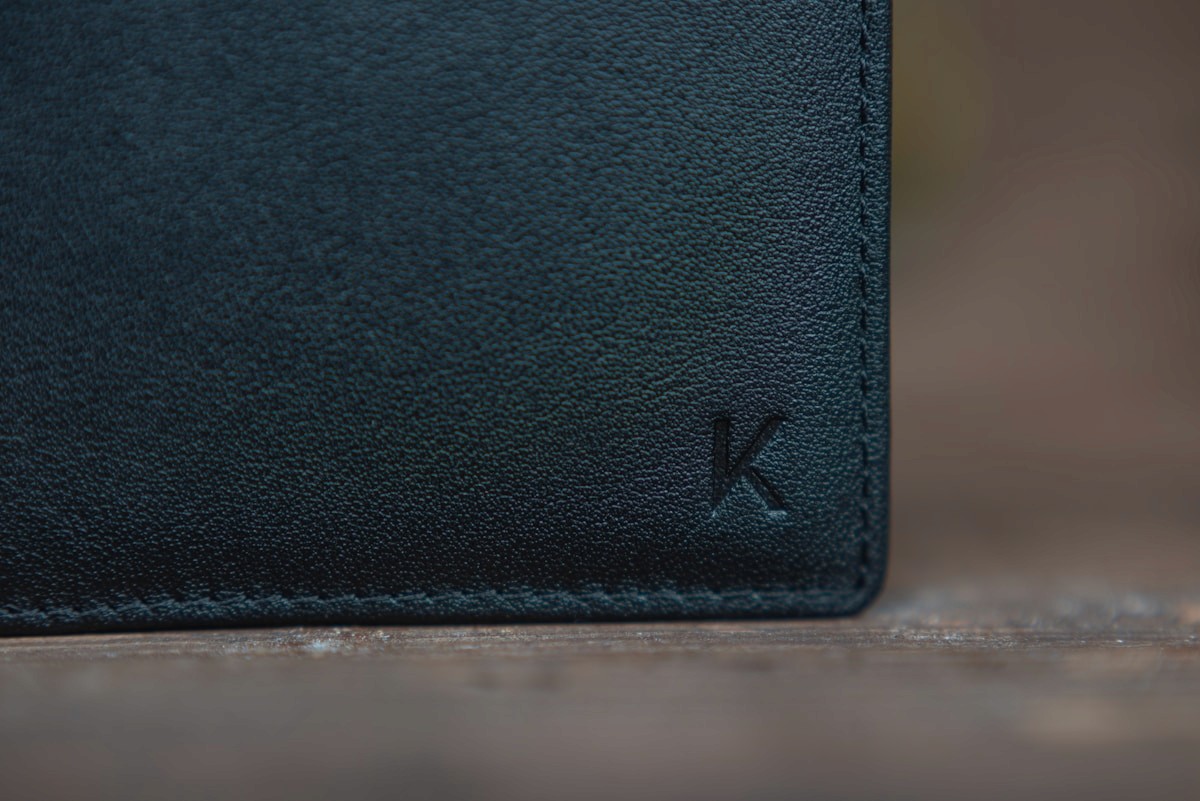
Two souvenirs leave a stadium shop. One is a product off a shelf, identical to ten thousand others. The other was engraved with the visitor’s name ninety seconds ago, by a robot, while they filmed it happening.
Same base product. Entirely different object. The second one is a memory with a name on it, and the customer paid a premium for the difference, queued for it, and posted the video.
That difference is the business logic of CarveX, our robotic personalization unit, and it is the most concentrated demonstration of what robotics change about physical retail.
Personalization was always valuable, and always unscalable
Retailers have known for decades that personalization commands premiums. Monogramming, engraving, customization, customers consistently pay more for objects made theirs, and the personalized object carries loyalty that no discount can buy. Luxury houses built services around it.
The problem was never demand. It was delivery. Human personalization requires a skilled artisan, takes time the customer must wait or return for, and fits awkwardly into a retail roster. So it stayed a niche service at flagship stores, and the mass of retail kept selling identical objects, leaving the premium, and the emotional attachment, on the table.
Robotics collapse the constraint. A robotic engraving cell delivers artisan-grade personalization in seconds, on demand, every operating hour, with perfect consistency. What was a service becomes a product format.
The theater is not a side effect
Something unexpected happens when personalization is performed by a robot in public: the making becomes the attraction.
At Paris Saint-Germain’s Parc des Princes and the Museum of the Future in Dubai, where CarveX runs live, visitors gather to watch the machine work. They film it. The ninety seconds of production are entertainment, and the queue behaves like an audience. Retail spends fortunes engineering “experiences” around fundamentally static shelves; a robot making something in front of you is the experience, natively.
This has a measurable commercial shape. The spectacle creates the stop, the stop creates the transaction, and the personal object creates the share. At Parc des Princes, engagement runs deep enough that the vast majority of participating visitors voluntarily leave their contact details, turning a point of sale into one of the venue’s most effective data-capture channels. More than 30,000 transactions across our deployments have followed this pattern, with zero churn among host venues.
The per-square-meter argument
Venue retail is a real-estate business: every square meter must justify itself. A personalization robot makes an unusually strong case.
Premium capture. Personalized products sell at a meaningful markup over their base versions, margin created by software and seconds of robot time, not by additional inventory cost.
Footfall conversion. The unit attracts attention a shelf cannot, converting passers-by who never intended to shop.
Compact footprint. A CarveX cell occupies a few square meters and needs no staff, no fitting room, no back office. On revenue per square meter and per labor hour, it competes with the best-performing categories in a venue.
Turnkey for the host. Robox deploys and operates the unit end to end, running on GateX, the same AI platform that powers our autonomous stores, for remote monitoring, content, and transactions. Host venues typically join through a revenue-share partnership: the venue contributes the location and the footfall, the robot does the rest, and both sides earn from every engraving. No staffing line, no operational burden, upside aligned.
What personalization proves about autonomy
Within the Robox lineup, CarveX plays a role beyond its own economics: it is the proof layer. Every hard problem of autonomous retail, unattended operation in public, payment reliability under crowd pressure, remote fleet operations, brand-grade presentation, was solved and stress-tested in live venues through CarveX before our autonomous store format asks partners to trust the same machinery with a full assortment.
A robot that has engraved tens of thousands of products for football fans and museum visitors, without a human standing beside it, is the most credible possible argument that a robot can run a store.
The direction of travel
Retail’s last decade personalized the message, the ad, the recommendation, the feed. The next one personalizes the object. As robotic fabrication cells get faster and more capable, the point of sale increasingly becomes a point of production: products finished, customized, and made unique at the moment of purchase.
CarveX is that future in its first commercial form: small, live, and already profitable for its hosts. The shelf sells a product. The robot sells yours.
CarveX is live at flagship venues and deploying to new locations monthly. To bring it to yours, book a demo.